Fitting out an office is one of those purchases most businesses make only once every several years, and that is exactly what makes it risky. You are committing a significant budget, and often the day to day running of your workplace, to a company you may have known for a few weeks. Get the choice right and you barely notice the process, ending up with a space that works and a bill that matched the quote. Get it wrong and you inherit delays, spiralling costs and a half finished office full of excuses.
The difference between those two outcomes is rarely luck. It usually comes down to the questions you asked before you signed anything. Knowing how to choose an office fit out company is less about finding the cheapest quote and more about knowing what to probe for, because the things that go wrong on a project are almost always visible in the answers a company gives you up front, if you know what to listen for. These are the five questions that matter most, along with what a reassuring answer sounds like and the red flags that should make you think twice.
Question one: will one team handle everything, or is the work subcontracted out?
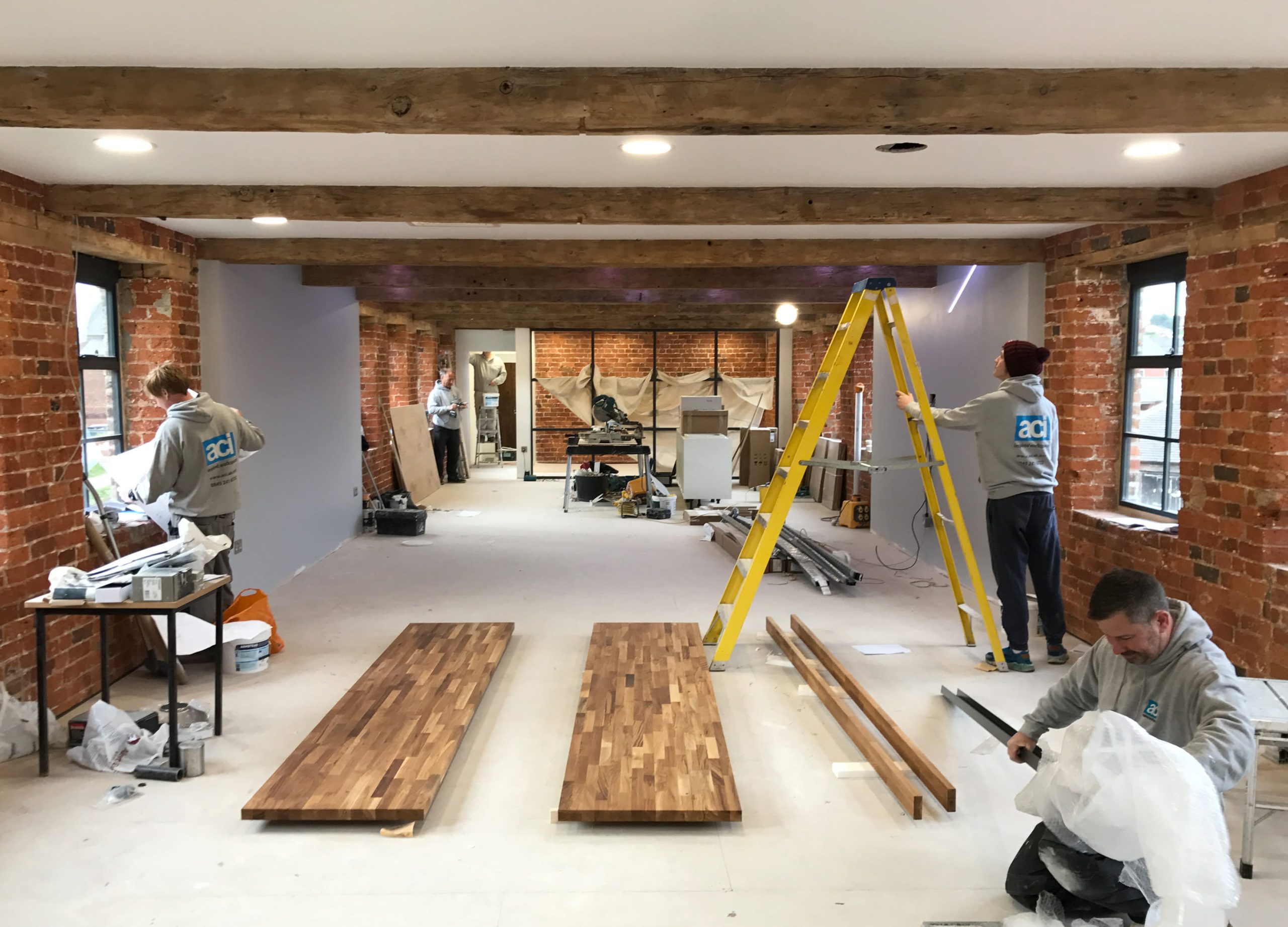
This is the question that shapes everything else, so ask it first. Some companies design, manage and build your fit out with their own people. Others act as a middle layer, winning the job and then subcontracting the design, the construction and the specialist trades to whoever is available, coordinating them at arm’s length. The second model is where a surprising amount of project pain comes from.
When a single team owns the whole project, there is one plan, one programme and one person accountable when you pick up the phone. When the work is split across separate firms, the gaps between them become your problem. Delays get blamed on the party who is not in the room, trades turn up in the wrong order, and you find yourself chasing three companies to work out why nothing happened this week. A good answer here is clear and specific about who actually does the work, and comfortable explaining how design, project management and construction sit together under one roof. If the answer is vague about where the work goes once you have signed, treat that as a warning. This single point of accountability is one of the main reasons buyers choose a design and build partner, and it is worth reading how ACI approaches a full fit out project as an example of what that model looks like in practice.
Question two: is the quote fixed, and what exactly does it include?
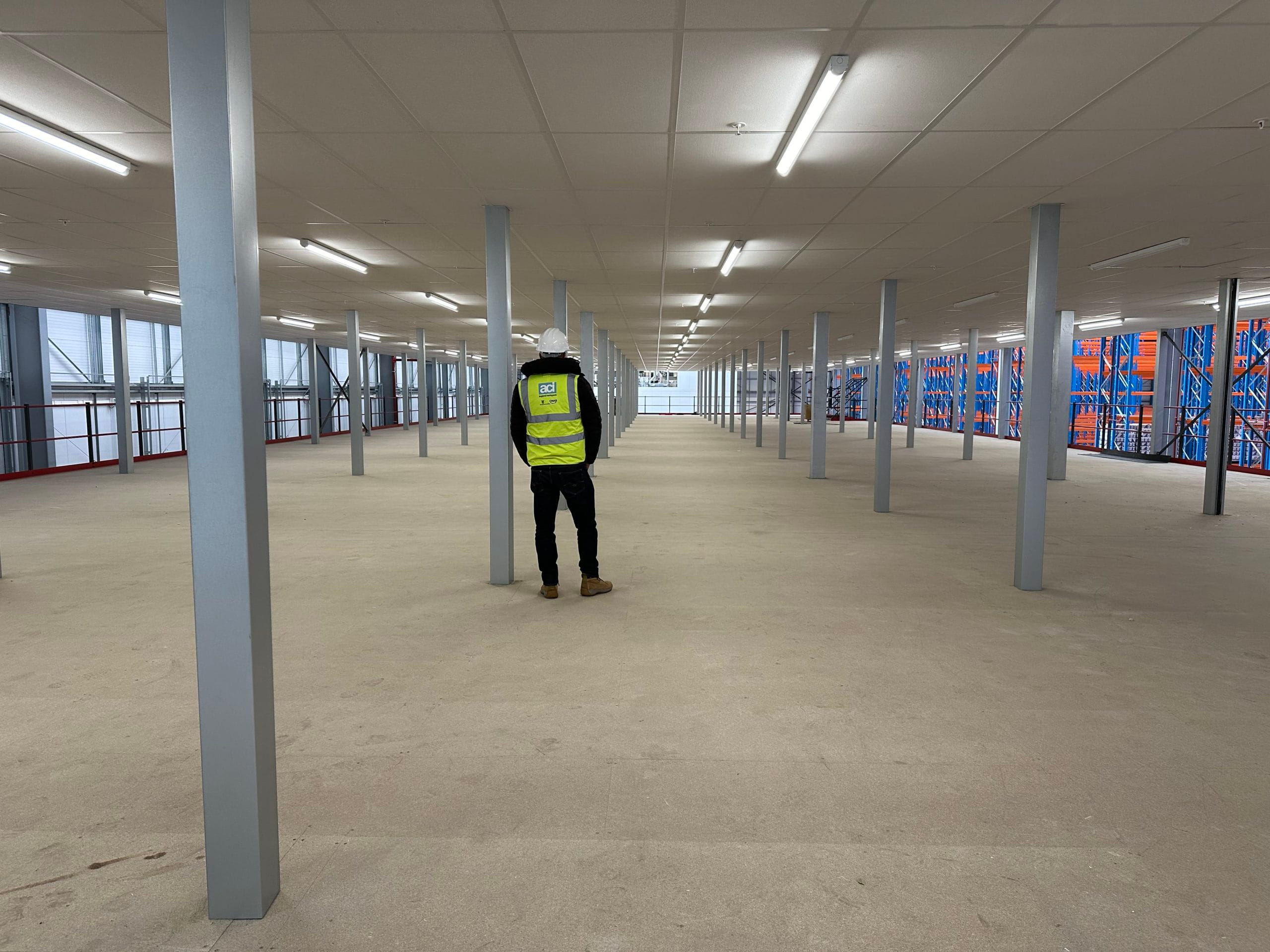
Price is where the real surprises live, and not in the headline number. The number that wins the job is often not the number you end up paying, because the gap between a cheap quote and an honest one is hidden in what has been left out. So the question is not simply how much, it is whether the price is fixed and precisely what sits inside it.
Ask whether the quotation is a fixed price or an estimate, and ask what happens if something changes once work begins. Look closely for provisional sums, which are placeholders for costs that have not yet been pinned down, and for the things quietly excluded, such as mechanical and electrical work, flooring, furniture, or making good at the end. A trustworthy company gives you a detailed, itemised quotation and can explain every line, and it will tell you honestly where a cost is still an estimate rather than burying it. A quote that comes in dramatically below the others is not usually a bargain, it is usually a quote for less work, and the difference reappears later as variations. If you want a sense of what a realistic budget actually looks like before you compare quotes, our guide to office fit out costs sets out the current UK figures so you can spot a number that looks too good to be true.
The practical protection here is to compare like for like. Three quotes are only useful if they cover the same scope, so make sure each company is pricing the same brief rather than a version of it they have quietly trimmed to look cheaper.
Question three: can I see similar projects and speak to past clients?

Any company can show you a glossy portfolio of its best moments. The more revealing request is to see projects like yours and, better still, to speak to the people who commissioned them. A company that is confident in its work will happily arrange both. Hesitation is telling.
Ask specifically for examples in your sector or of a similar size and complexity, because a firm that only ever fits out small offices may struggle with an industrial project, and the reverse is equally true. Case studies are a good start, and ACI publishes a full library of past projects covering everything from office refurbishments to specialist industrial work, such as the refurbishment of Progress Rail’s flood damaged offices. But the strongest evidence is a conversation with a past client, who will tell you what the company was actually like to work with once the contract was signed, whether it stuck to the programme, and how it behaved when something went wrong. Every project hits a snag at some point. What separates a good contractor is how they handled it, and only a previous client can tell you that.
Question four: what accreditations, insurance and safety management do you have?
This is the least glamorous question and one of the most important, because a fit out is a construction project and construction is heavily regulated for good reason. A company that treats compliance casually is a company that will cut corners, and on a building site those corners have consequences for your people and your liability.
Ask what industry accreditations the company holds. Recognised schemes such as CHAS and Constructionline exist precisely so that buyers can check a contractor has been independently vetted for health, safety and financial standing. Ask whether they work to the Construction Design and Management Regulations, known as CDM 2015, which govern how construction projects are planned and run safely, and ask to see evidence of their insurance. A solid company answers all of this without flinching and can produce the certificates, because it has nothing to hide and knows serious clients will ask. Anyone who is evasive, or who cannot name a single accreditation, is telling you something important. You can see the kind of credentials to look for set out on the Why Choose ACI page, which lists the accreditations a properly run fit out company should hold.
Question five: how will you keep my business running, and what is the realistic timeline?
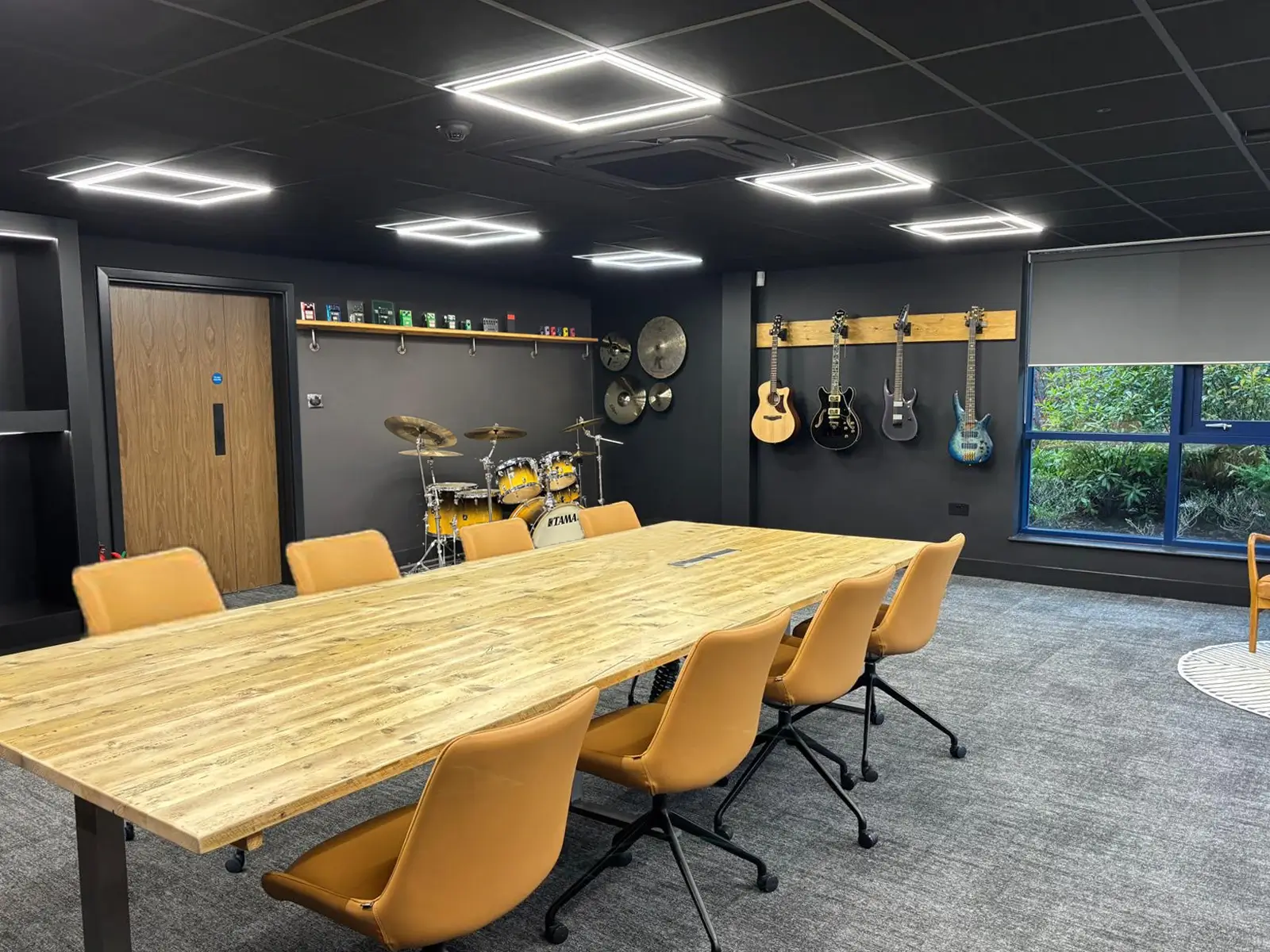
Most offices being fitted out are still being worked in, or need to be back in use by a firm date, so the last question is about disruption and time. It also happens to be the question that flushes out whether a company has genuinely thought about your project or is simply telling you what you want to hear.
Ask how they will keep your business operating during the work, and listen for a real plan. A capable company talks naturally about phasing the work zone by zone, protecting occupied areas, and scheduling the noisiest tasks around your working day, rather than assuming you will simply move out. Our article on refurbishing an office without disruption covers what that plan should include, so you can judge whether the answer you get is substance or reassurance. On timing, be wary of anyone who promises a firm completion date before they have surveyed your building, and be equally wary of vagueness. A trustworthy answer sets out the stages and a realistic overall duration, and explains what could move it. Our guide to how long an office fit out takes gives you a benchmark to hold their estimate against. If the timeline and the disruption plan are both thin, the company has not really engaged with your project yet, whatever the quote says.
One more thing: listen to how they answer, not just what they say
The five questions above will tell you a great deal, but pay attention to the manner of the answers as much as their content. The company you want is the one that answers plainly, admits what it does not yet know, and is comfortable being pinned down on detail. The one to avoid deflects, over promises, and gets uncomfortable when you ask for specifics. Watch, too, for how quickly and clearly they respond between meetings, because a company that is slow to reply or hard to reach while it is still trying to win your business will not suddenly become attentive once the contract is signed. You are not just buying a finished office, you are choosing who to be in a working relationship with for weeks or months, often while your business carries on around them. How a company communicates during the sales conversation is usually a fair preview of how it will communicate when there is a problem to solve, so treat the whole enquiry process as part of the interview rather than a formality before it.
It is also worth being clear in your own mind about what you actually need before you start ringing round, because a good company will ask. If you are unsure whether your project is a full fit out or really a refurbishment of what you already have, our comparison of an office fit out versus an office refurbishment will help you brief every company on the same basis and get quotes you can genuinely compare.
Frequently asked questions
What is the single most important question to ask a fit out company?
If you can only ask one, ask whether one team handles the whole project or whether the work is subcontracted out. The answer shapes accountability, coordination and how easily problems get solved, and it tends to predict how the rest of the project will go.
Should I get more than one quote?
Yes, but only if you compare like for like. Give each company the same brief and check that every quote covers the same scope, because the cheapest number is often the one that has quietly left the most out. Three quotes for three different scopes tell you nothing useful.
How do I know if a quote is too good to be true?
Look for a price well below the others, vague line items, and large provisional sums. These usually mean the quote is for less work than you think, with the difference reappearing later as variations. Comparing against realistic market figures, such as those in our office fit out costs guide, helps you spot it.
How far in advance should I approach a fit out company?
Sooner than most people think. Because design and approvals take time before any building begins, involving a company early gives you a realistic timeline and a better design, rather than compressing everything into a rush that pushes up cost and risk.
Making the right choice
Choosing an office fit out company is really an exercise in asking good questions and listening carefully to the answers. Find out who actually does the work, get a fixed and fully itemised price, insist on evidence and references, check the accreditations and insurance, and make sure there is a genuine plan for keeping your business running on a realistic timeline. Ask those five things and you will very quickly tell the safe pair of hands from the costly mistake.
If you would like straight answers to all five, the ACI team is happy to give them. We design, manage and build fit out and refurbishment projects with our own people, and we are glad to talk you through our accreditations, our process and our past work with no obligation. Request a free quote or call us on 0115 939 7572, and put us to the test.