If you’ve found yourself Googling office fit out vs office refurbishment and come away more confused than when you started, you’re not alone. These two terms are often thrown around interchangeably by:
- Landlords
- Estate Agents
- Contractors
And the result of all that is a lot of businesses end up unsure of what they actually need. Or worse, they end up commissioning the wrong thing entirely.
Here’s the thing: they’re not the same. And understanding the difference genuinely matters, because choosing the right route affects your budget, your timeline, how disruptive the project is for your team, and — most importantly — whether the end result actually solves your problem.
This guide breaks down exactly what each one is, how they differ, what they tend to cost, and how to work out which route is right for your business.
Why Are These Terms So Often Confused?
Part of the confusion is structural. The industry itself doesn’t always use these terms consistently, and the work involved can overlap significantly, meaning two contractors might use completely different language to describe the same scope of work. Add in the Cat A / Cat B classification system (more on that below) and it’s easy to see why people end up scratching their heads.
Here are the main reasons the confusion persists:
- The work often looks the same from the outside. Both a fit out and a refurbishment can produce a fresh, modern office with new flooring, partitions and a kitchen. The difference is in the starting point and the intent, not necessarily the finished result.
- Landlords, estate agents and contractors use the language loosely. There’s no industry-wide standard definition that everyone follows, so one contractor’s “refurbishment” might be another’s “fit out.”
- Both involve physical changes to a space, so the results can look similar even when the scope and process are quite different.
- The Cat A / Cat B classification adds another layer. These terms describe the specification level of a space, not the process used to achieve it — but they come up constantly in fit out conversations and can muddy the waters further.
- Most businesses care about the outcome, not the label. Which is completely understandable — what you want is a workspace that works for your team. Whether it technically qualifies as a fit out or a refurbishment often matters more to the contractor than the client.
What Is an Office Fit Out?
An office fit out is the process of transforming an empty, unfinished or shell space into a fully functional, ready-to-occupy workplace. The starting point matters: you’re either moving into a newly built commercial property, taking on a vacant floor in an office building, or occupying a space that has been stripped back and handed over by a previous tenant.
Because you’re effectively starting from scratch, or close to it anyway, a fit out covers a lot of ground. A typical office fit out might include:
- Space planning and office design: Working out how the space will function before a single wall goes up
- Office partitions and glass office partitions: Dividing the space into offices, meeting rooms and collaborative zones
- Suspended ceilings: For acoustic performance and a clean, professional finish
- Mezzanine floors: If you are adding a completely new office to a warehouse or other industrial space
- Raised flooring: To accommodate cabling and services underneath
- Electrical installation
- IT and data cabling infrastructure
- HVAC (heating, ventilation and air conditioning)
- Kitchen and welfare facilities
- Branding, signage and decorative finishes
The key characteristic of a fit out is that it is bespoke to one occupier. Unlike a landlord-spec’d space, everything is designed and built around your team, your ways of working and your brand.
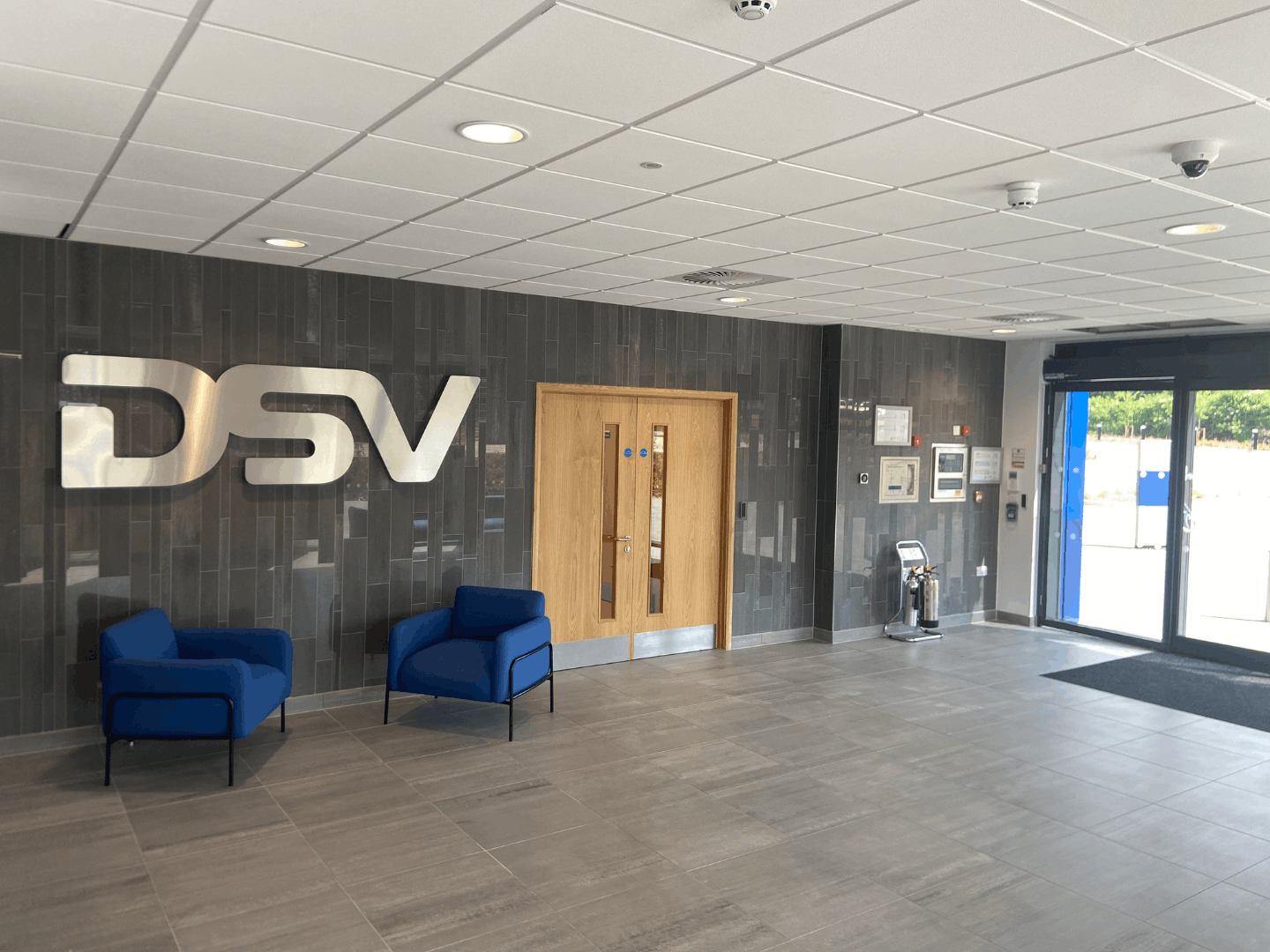
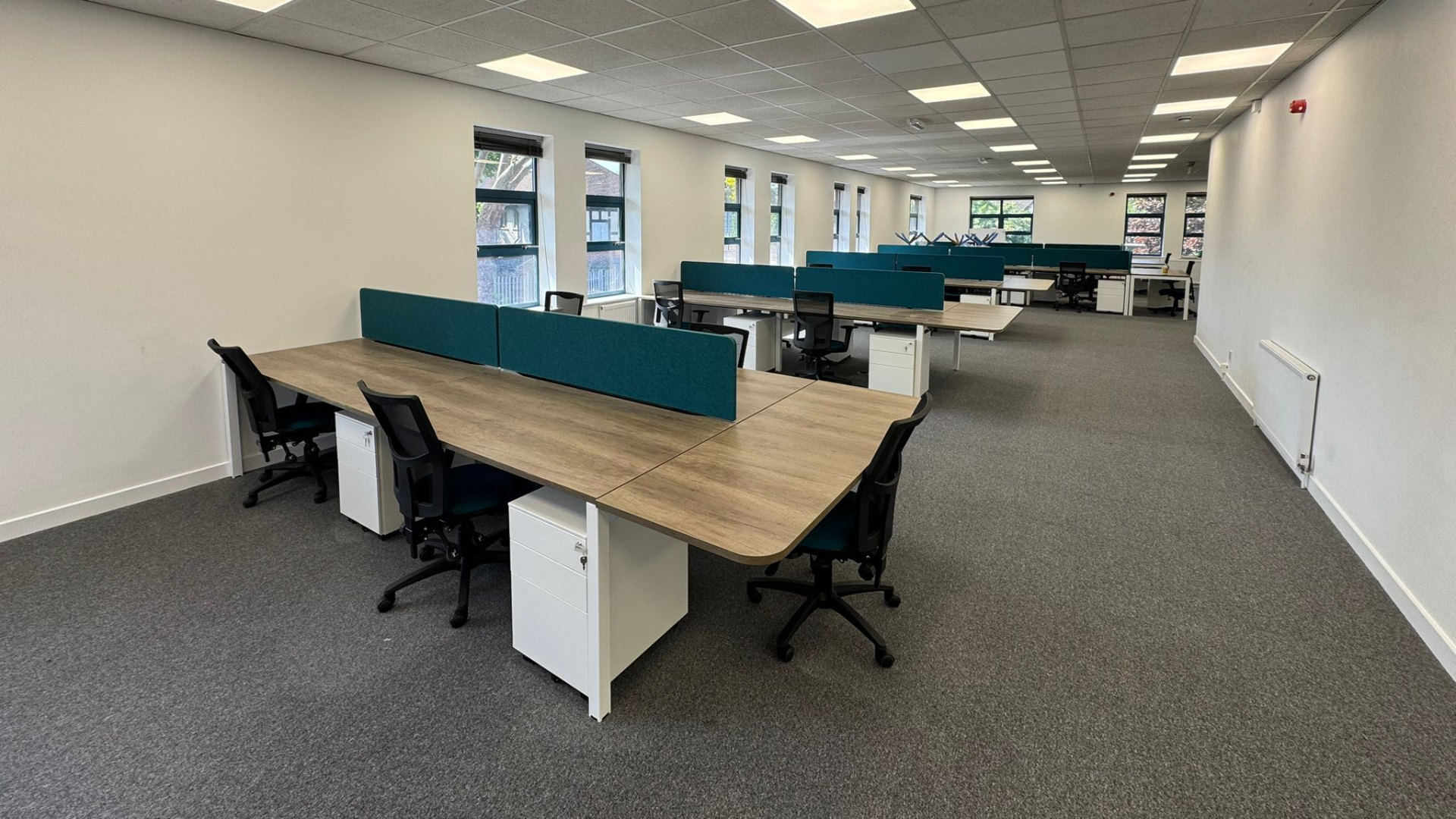
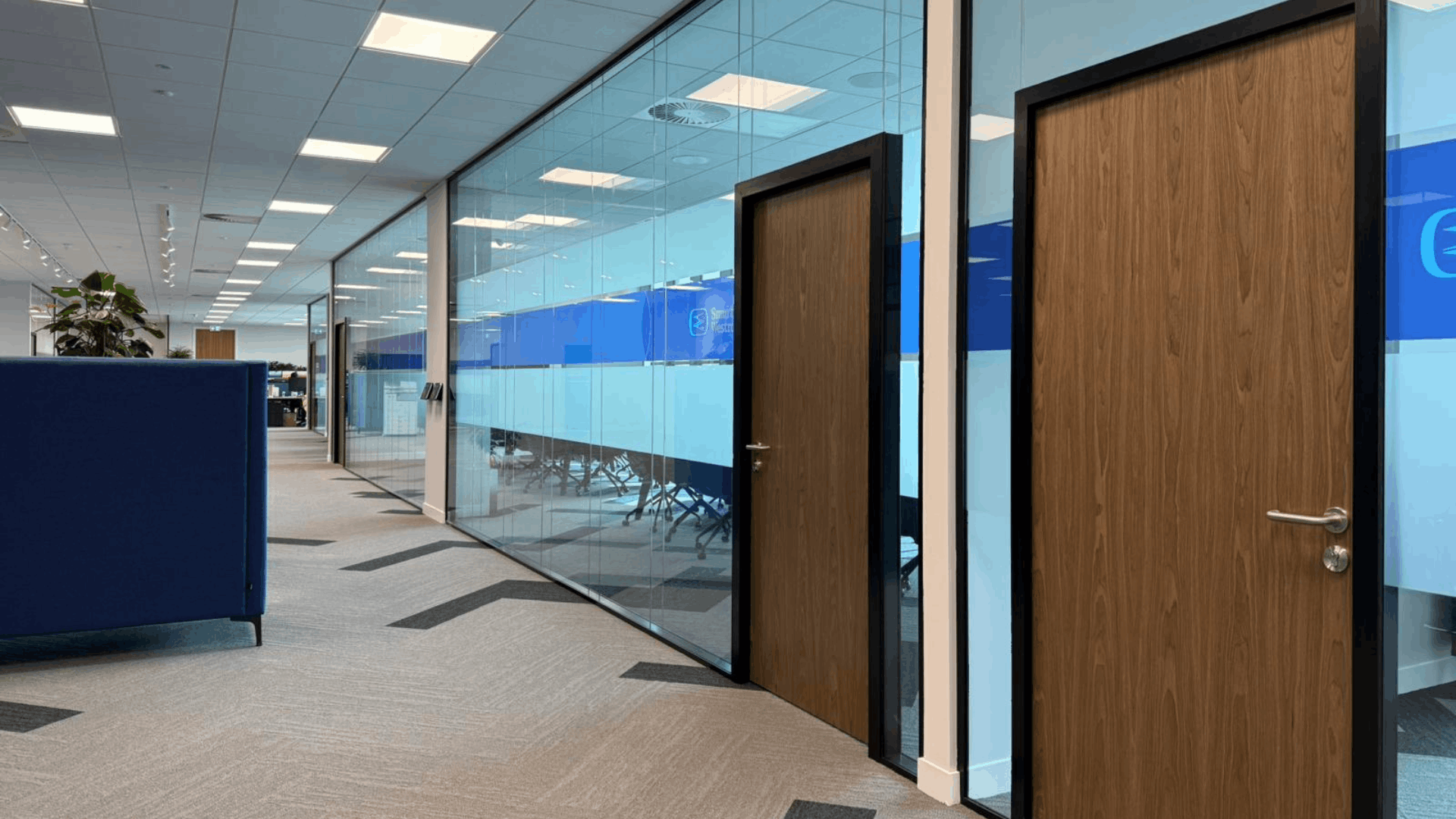
Here are some recent office fit outs completed by the ACI team:

The Different Types of Office Fit Outs Explained
Not all fit outs are the same. The industry uses a classification system:
To describe how finished a commercial space is at any given point. Understanding this is useful because it tells you where your project is starting from, and therefore what work actually needs to be done.
Shell and Core
Shell and Core is the most basic state a commercial space can be in. The building structure, facade, shared areas (lifts, lobbies, stairwells) and core building services are in place, but individual floors are essentially empty. There’s no internal fit out whatsoever. Shell and Core spaces are typically the developer’s or landlord’s starting point before they hand over to a tenant.
Category A Fit Outs (CAT A)
A Category A fit out takes a Shell and Core space and makes it habitable… Well, just about. Expect raised floors, suspended ceilings, basic mechanical and electrical services, and some surface finishes. It’s a blank, functional canvas, but there’s no furniture, no partitions and nothing personalised. This is generally what a landlord hands over to an incoming tenant at the start of a new commercial lease.
Category A+ Fit Outs (CAT A+)
Cat A+ is a relatively recent addition to the fit out vocabulary, and it sits somewhere between Cat A and Cat B. The landlord or developer fits the space to a higher standard than Cat A like adding furniture, some partitioning, breakout areas and a more usable feel so that tenants can move in and start working more quickly. Cat A+ has become increasingly popular for co-working spaces and short-term lease arrangements, where occupiers want something ready to use without committing to a full Cat B fit out.
Category B Fit Outs (CAT B)
Category B is where a space stops being generic and starts feeling like yours. This is the full, personalised office fit out that most businesses are referring to when they say they’re “having a fit out.” Taking a Cat A space as the starting point, a Cat B fit out transforms it into a branded, fully equipped, move-in ready workplace tailored entirely to the occupier. This is where bespoke office design, meeting rooms, kitchen, furniture, partitions and branding all come together.
What Is an Office Refurbishment?
An office refurbishment is the process of updating, refreshing or reconfiguring a workspace that already exists, whether currently occupied or recently vacated. Unlike a fit out, you’re not starting with an empty or unfinished space. The core structure and most of the infrastructure is already there; you’re working within it, not building from the ground up.
The scope of a refurbishment can range from a light cosmetic update to something that approaches fit-out territory in both scale and cost. Depending on what the space requires, an office refurbishment might include:
- New flooring and carpeting
- Ceiling works or replacement suspended ceilings
- Redecoration: Walls, paintwork, feature finishes
- Lighting upgrades
- Layout reconfiguration
- New or replaced office furniture
- IT and technology infrastructure upgrades
- Updated office partitions including glass office partitions
- Branding and signage refresh
The distinguishing characteristic of a refurbishment is that it works within the existing structure rather than replacing it wholesale. The goal is to make what is there work better, whether that means a significant overhaul or a more targeted set of improvements.
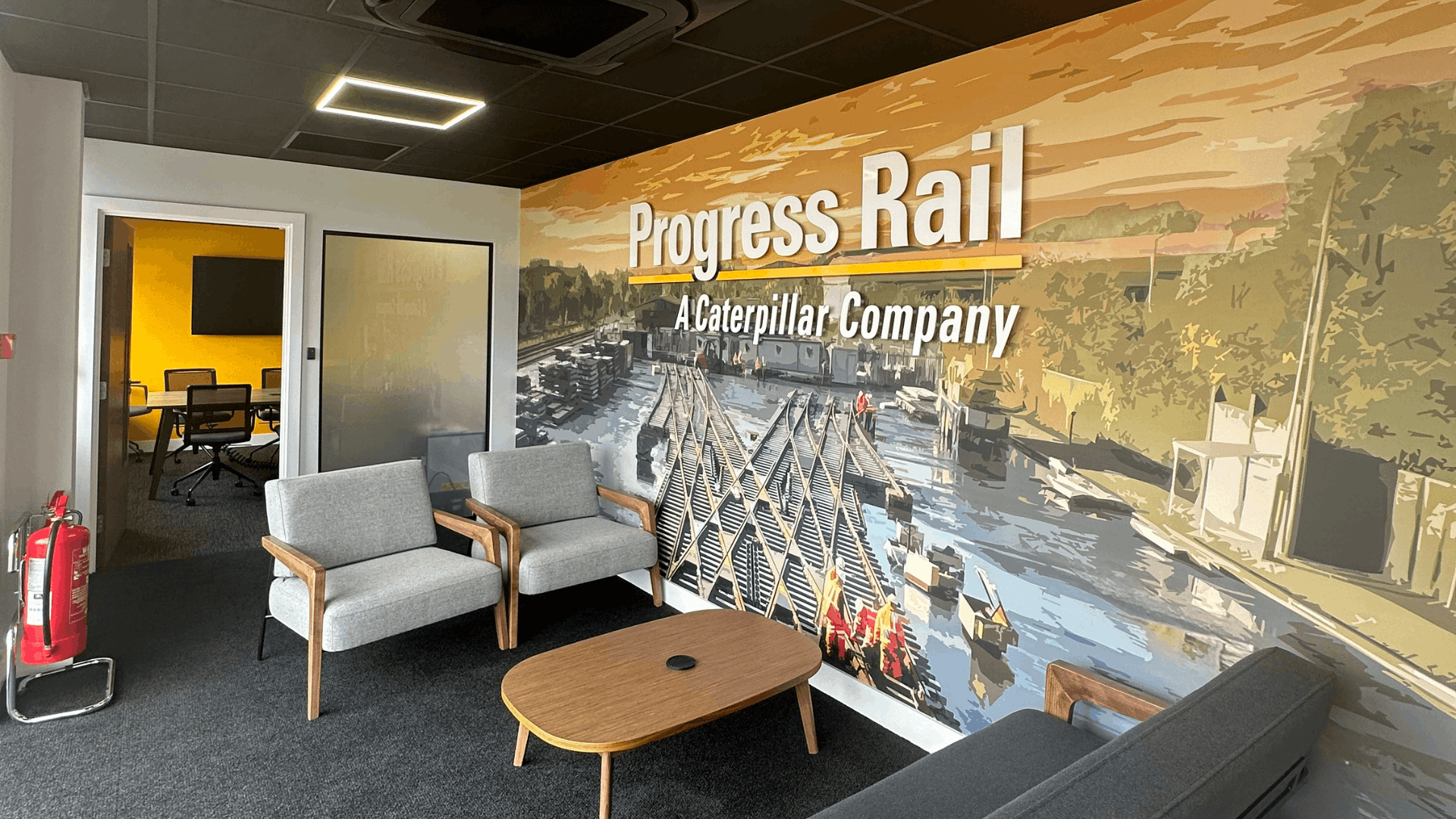
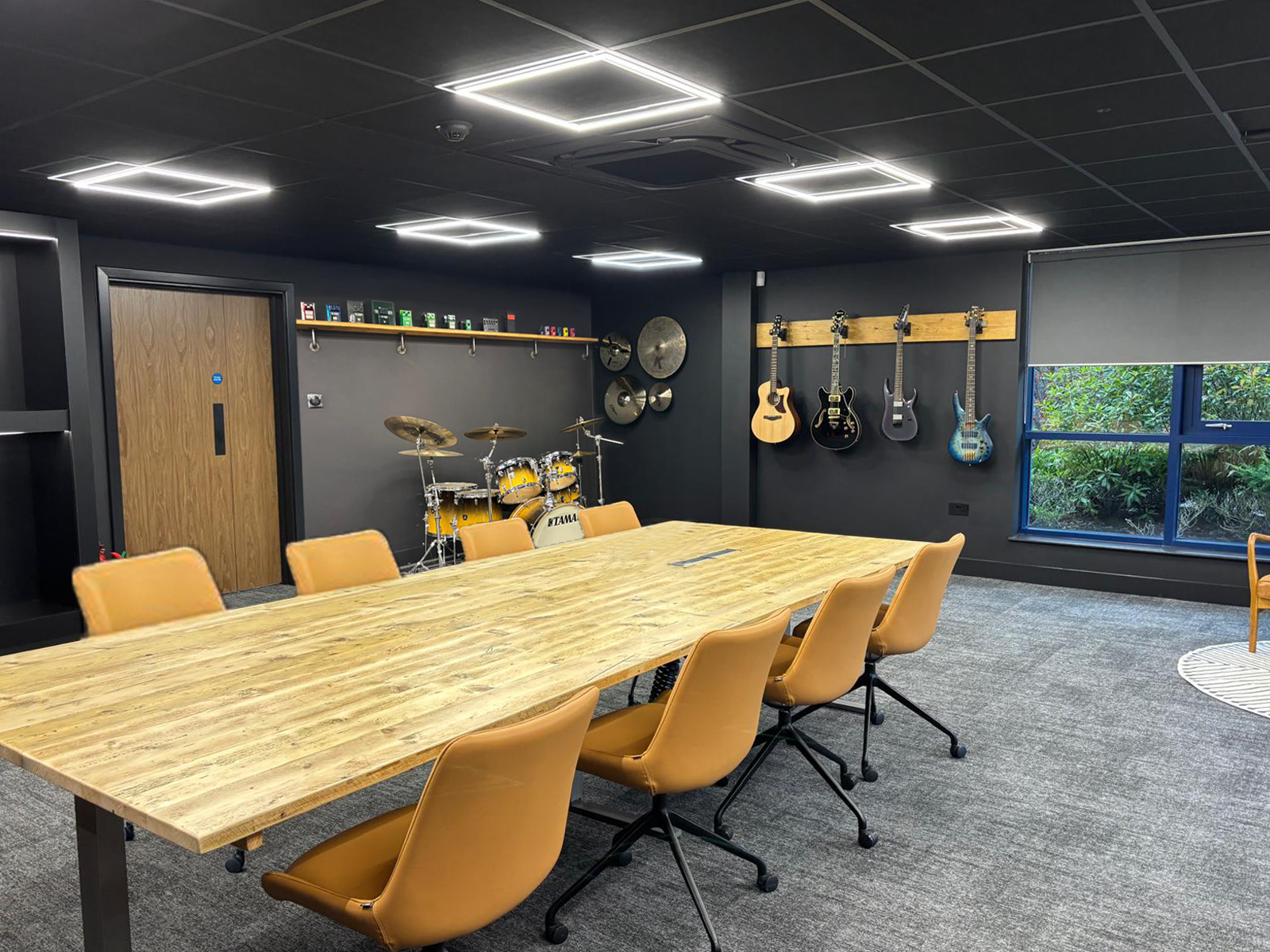
Here are some office refurbisment projects we’ve recently completed:


The Different Types of Office Refurbishments Explained
Just as fit outs have categories, refurbishments come at different levels of intensity. The right level depends on what you are starting with and what you are trying to achieve.
Strip Out and Refit
The most extensive form of office refurbishment. The existing interior is stripped back significantly, sometimes all the way to Cat A standard, before being refitted to the occupier’s specification. In terms of disruption and cost, this level of work can start to feel similar to a new fit out. It’s typically the right approach when the existing fit out is severely outdated, structurally unsuitable or simply past the end of its useful life.
Mid-Touch Refurbishment
A more selective, targeted approach… Keep what works and update what doesn’t. You might replace the flooring and lighting, add new office partitions, reconfigure the layout and refresh the kitchen while leaving the building services and structural elements largely intact. This is probably the most commonly undertaken level of refurbishment for businesses that simply want a better office, not an entirely new one.
Cosmetic Refresh / Reconfiguration
At the lighter end of the scale, a cosmetic refresh focuses on paint, flooring, furniture and minor layout changes. It won’t fundamentally transform the office, but it can make a meaningful difference to how the space looks and feels day-to-day. Even something as straightforward as reconfiguring the desking layout or adding a few collaborative zones can significantly improve how a space works for your team without touching anything structural.
Office Fit Out vs Office Refurbishment: The Key Differences
Here’s a clear side-by-side comparison covering the factors that matter most when making this decision:
Office Fit Out | Office Refurbishment | |
Starting Point | Empty, shell or unfinished space | Existing, occupied or recently vacated office |
Purpose | Making an unusable space functional | Improving or updating an existing workspace |
Scope | Full interior build from Cat A up | Selective updates and upgrades within existing structure |
Who Leads It? | Typically the occupier / incoming tenant | Occupier, or sometimes the landlord |
Cost | Consistently higher due to volume of work | More variable; depends on level of intervention |
Timeframe | Generally longer | Shorter for lighter-touch work |
Disruption | Usually pre-occupation (before the team moves in) | Often managed in a live, operational environment |
Branding | Fully bespoke to occupier | Varies; landlord refurbs tend to be neutral |
Cost: What’s the Difference in Budget?
Cost is almost always the first question, and it’s the one that’s hardest to answer without knowing the specifics of a project. That said, there are some useful general principles worth understanding before you approach the market.
Office fit outs tend to cost more, consistently. Because you’re building an entire interior from the ground up such as electrics, HVAC, ceilings, floors, partitions, kitchen, furniture and everything else, the volume of work is simply higher.
This article from Cushman and Wakefield is a good option for finding your baseline estimates. Here’s what they have estimated:
City | Low | Medium | High |
Birmingham | £121 | £200 | £295 |
Glasgow | £117 | £192 | £284 |
London | £148 | £243 | £359 |
Manchester | £128 | £210 | £310 |
Office refurbishment costs are far more variable. A cosmetic refresh can be a modest investment in the grand scheme of things. A full strip-out and refit can come close to fit-out territory in both cost and complexity. The level of intervention you’re planning is what determines the budget, which is exactly why getting a detailed, itemised quote before committing to anything is so important.
A few budgeting points worth keeping in mind, whichever route you take:
- Build in a contingency budget. A common rule of thumb is 10% to 15% on top of your project cost, though this varies with project complexity. Unexpected findings behind walls, changes in scope and supply chain fluctuations are all common on live projects.
- Don’t overlook the associated costs. Professional design and project management fees, IT and telecoms infrastructure, signage, furniture (if not already included), moving costs and business interruption insurance all need to factor into your overall budget. They’re easy to miss when the focus is naturally on the construction work itself.
Note: While some office fit out and refurbishment companies charge for designs, we don’t!
Disruption: Can I Stay in My Office?
This is one of the most practical concerns for any business undertaking workspace changes, and the honest answer is that it largely depends on which route you’re taking.
For office fit outs, the disruption question is mostly a non-issue during the build itself. Fit outs happen in an empty space before your team moves in, so the main disruption comes at the point of relocation, not during the project. You can keep operating in your current space right up until move-in day.
Office refurbishments are a different matter. Because the work typically happens in a live or recently occupied environment, managing disruption becomes a genuine part of the project plan. The good news is that it’s very rarely necessary to fully vacate an office for a refurbishment. The most common approach is to phase the work, completing one section, floor or zone at a time while the rest of the office remains operational. Particularly disruptive work (demolition, major structural changes) is usually scheduled outside of normal office hours to keep the impact on your team to a minimum.
For lighter-touch refurbishments like cosmetic refreshes, furniture replacements, redecorations, the disruption is often minimal. Most businesses find they can continue working throughout with limited interruption.
Which One Do I Need? How to Choose
Rather than telling you which option to go with, here’s the honest decision framework. Ask yourself these questions:
Are you moving to a new space, or staying put?
If you’re relocating to a new premises, you’ll almost certainly need a fit out. Specifically a Cat B fit out if the space is handed over at Cat A. If you’re staying in your existing office, an office refurbishment is likely the more logical starting point.
What state is the space actually in?
If you’re taking on an empty shell or a Cat A space, it needs a fit out. If the space is already fitted out but no longer working for you, a refurbishment makes more sense.
What is your primary goal?
Growing headcount and need more square footage? That’s a relocation and fit out conversation. Modernising a tired-looking office to attract and retain talent? That’s usually a refurbishment. Making better use of the space you already have? Almost certainly a refurbishment, combined with smart space planning.
What is your budget and timeline?
If budget is a significant constraint, a targeted refurbishment will typically deliver more for your money than a full fit out, and can often be completed in a shorter timeframe. If you have more flexibility, and you’re already planning a move, a new fit out as part of a new lease may deliver better long-term value.
Do you need to stay operational during the project?
If yes, a phased refurbishment is almost always manageable around a live business. A fit out in a vacant space has no operational impact on your business until move-in day.
Can refurbishing actually solve the problem?
This is the most important question of all. If your fundamental issue is that you’ve simply outgrown your current space and need more square footage, no level of refurbishment will fix that. In that case, relocation and a new office fit out is the right answer.
Ready to Take the Next Step?
Hopefully you now have a clear picture of whether a brand new office fit out or an office refurbishment is the right route for your business.
At Advanced Commercial Interiors, we are experts in both, and we’ve delivered projects for some of the UK’s biggest and most well-known companies. Whether you’ve already made your decision or you’re still working through the options, our team would love to help.