Every facilities manager has had the same conversation. The board signs off a fit out budget, the design lands, the first proper cost plan comes back, and the number is fifteen or twenty percent higher than the figure everyone agreed to. Now you are the one who has to find the difference, and the easy answer, strip out the spec until the total fits, is the one that comes back to bite you eighteen months later.
Office fit out value engineering is the alternative to that. Done properly, it is not about spending less. It is about spending the same money on the things that actually matter to the people using the space, and refusing to spend it on the things that do not. The distinction sounds academic until you have lived through the version where it was ignored.
Value engineering is not cost cutting
This is the difference that decides whether a project ages well or falls apart. Cost cutting asks a single question: what is the cheapest way to hit the number? Value engineering asks a better one: where is this budget buying value, and where is it buying specification for the sake of it?
The two produce very different buildings. Cost cutting swaps a commercial grade carpet tile for a domestic one, and you replace it in three years instead of ten. Value engineering looks at the same line and asks whether the whole floor needs that grade, or whether the traffic actually concentrates in the circulation routes and reception, in which case you specify up where it matters and down where nobody notices. Same saving on paper. Completely different outcome on site.
For a facilities manager, that framing matters because you are the one who owns the consequences. A cheaper fit out that generates a stream of repairs, early replacements and staff complaints is not a saving, it is a deferred cost with your name on it. Genuine fit out cost savings come from removing waste, not from removing quality.

Why office fit out budgets overrun in the first place
Before you can reduce office fit out cost sensibly, it helps to understand where the money leaks, because an office fit out budget overrun almost never comes from a single dramatic line. It accumulates.
Most of it is locked in far earlier than people realise. By the time a design is fully drawn, roughly eighty percent of the eventual cost is already committed, even though only a fraction has been spent. The layout, the amount of new partitioning, how hard the mechanical and electrical services have to work, whether you are fighting the base build or working with it, all of that is decided on paper long before a contractor sets foot on site. Which is exactly why value engineering that starts after the tender has come back is value engineering with one hand tied behind its back.
The rest of the overrun tends to come from scope creep, decisions made late and changed later, specification inflation where a premium finish gets carried across an entire floor when it was only ever needed in the client facing areas, and poor sequencing that turns into expensive rework. None of these are quality problems. They are process problems, and process problems are where the recoverable money lives.
Where the real savings actually sit
The savings that survive contact with reality come from a handful of places, and none of them involve making the finished space feel cheaper.
The first is space itself. The single largest lever in any fit out is how efficiently the floorplate works, because you are paying to fit out every square metre whether it earns its keep or not. Rationalising the layout, right sizing meeting rooms to how they are genuinely used rather than how they look on a plan, and cutting dead circulation will often save more than every finish decision combined. It also lowers your running costs for the life of the lease, which is the argument that lands upstairs.
The second is specification discipline. This is the carpet tile example applied everywhere. You specify up in the spaces that carry the traffic, the wear and the visitors, and you specify sensibly everywhere else. The same logic applies to lighting, to joinery, to glazing on internal partitions. A blanket premium spec is not a quality decision, it is an unexamined one.
The third is working with the base build instead of against it. Reusing existing mechanical and electrical infrastructure where it is fit for purpose, keeping the suspended ceiling grid and services where the layout allows, and avoiding moving core elements that are expensive to touch will strip cost out without anyone ever seeing a downgrade. A great deal of fit out cost hides in the decision to relocate things that did not need relocating.
The fourth is procurement and programme. Long lead items ordered late cost more and compress the programme, and a compressed programme is where premium rates and overtime creep in. Standardising components so you are buying quantities rather than one offs, and locking the specification early enough to procure calmly, quietly removes cost that most budgets never even flag as recoverable.
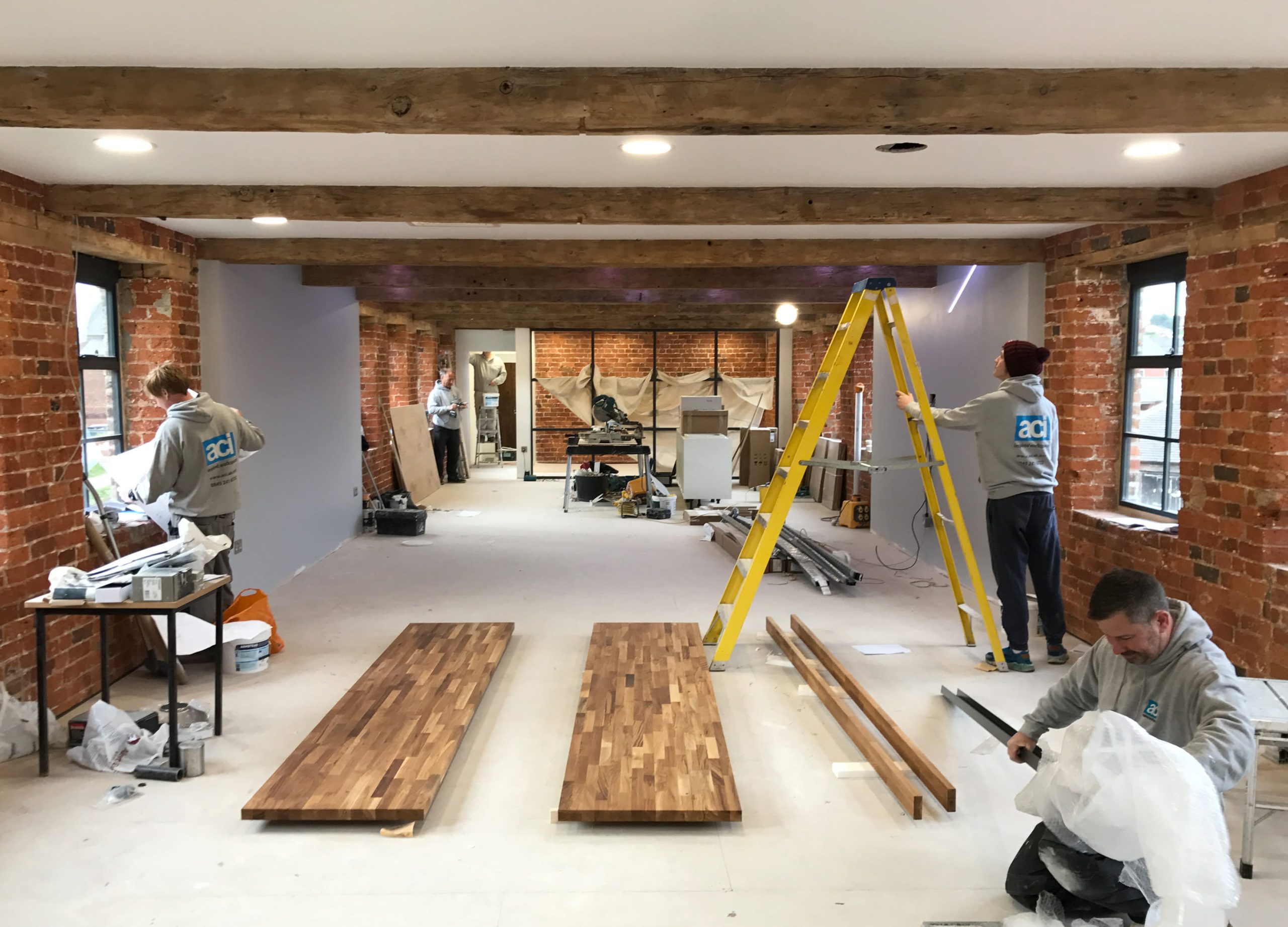
The cuts that cost more later
The other half of value engineering is knowing what to leave alone, and this is where an experienced fit out partner earns their fee. Some savings are real. Others are the false economies that a facilities manager pays for twice.
The usual suspects are the things you cannot easily see and therefore feel safe to trim. Under specified mechanical and electrical work that cannot handle the actual occupancy, so the space is uncomfortable from day one and you are back in for remedial work within a year. Acoustics dropped from the budget, so an open plan office nobody can concentrate in becomes a productivity problem you get blamed for. Flooring downgraded in high traffic routes, so you are managing replacements while the space is occupied, which is both expensive and disruptive. Cheap partitioning that looks identical on handover and rattles, marks and fails to hold its line within eighteen months.
The pattern is always the same. The saving is visible today and the cost is invisible until later, at which point it lands as a repair budget, downtime, or staff who quietly decide the new office is worse than the old one. Protecting these lines is not resisting value engineering. It is the whole point of it.
When to do it, and who should be in the room
The timing answer is simple and most projects get it wrong. Value engineering belongs at the design stage, running alongside the drawings, not bolted on afterwards when a cost plan has already come back too high. By then your only tools are subtraction, and subtraction is how you end up cutting quality rather than waste.
The people answer matters just as much. The savings that hold up come from a room that has the designer, the contractor and someone who understands how the space will actually be run and maintained all looking at the same numbers at the same time. That last voice is you. A value engineering exercise that happens without the facilities perspective will happily trim the very things that make a building cheap to operate, because whoever is holding the pen is optimising for capital cost and has no line of sight to what you inherit afterwards.

How ACI approaches value engineering
We treat value engineering as part of the design process rather than a rescue mission. On every office fit out we run the specification and the layout through this lens while the design is still moving, so the choices about where to invest and where to save are made deliberately, with you in the room, instead of being forced later by a number that does not fit.
That means being open about where the money is going, showing you the trade offs rather than presenting a single figure to accept or reject, and being honest when a proposed saving is a false economy that will land back on your desk as a maintenance cost. The goal is a space that costs what it should, performs the way the people using it need it to, and does not generate a stream of problems you spend the next few years explaining.
If you want the detail on how a full project comes together, our office fit out service page walks through the process end to end. And if you are still working out what your project should cost before you get to the question of where to save, our office fit out cost guide sets the benchmarks that this value engineering method then works within.
Value engineering, done right, is not the conversation about how to make your fit out cheaper. It is the conversation about how to make sure every pound in the budget is working. Get that right at design stage and the overrun conversation tends not to happen at all.
Talk to us before the number is fixed
If you already have a design or a budget that does not quite add up, this is the point where value engineering earns its keep, not after the tender comes back. We will look at your layout and specification with you, show you where the recoverable cost actually sits, and flag any saving that would cost you more to live with later.
No obligation to proceed, just an honest read on where your budget is working and where it is not. Book a value engineering review or call us on 0115 939 7572, and we will take it from there.